

Johanniter in Afghanistan
Why We Are on Site
Afghanistan has been marked by violent conflict and political instability for several decades. Clashes between state security forces and armed groups have left their mark: sowing deep fear and insecurity among the population. People have been displaced, especially from remote regions of the country. The affected communities are mostly cut off from national institutions and international aid.
Afghanistan will remain one of the world’s largest humanitarian crises in 2026, despite a modest decrease in the total number of people in need. Years of conflict, economic fragility, underinvestment in basic services, and erosion of rights have left large segments of the population with severely reduced resilience.
These chronic pressures are now worsened by food insecurity, large-scale cross-border returns, climate-driven drought, recurring natural hazards, and the systematic exclusion of women and girls from public life. In 2026, an estimated 21.9 million people—about 45% of the population—will require humanitarian assistance, reflecting the combined impact of overlapping shocks and deep structural vulnerability.
Women and girls remain among the most severely affected population. Afghanistan remains one of the most dangerous places in the world to give birth, with an estimated maternal mortality ratio of 638 deaths per 100,000 live births in 2024 (UN OCHA 2026).
How We Help in Afghanistan
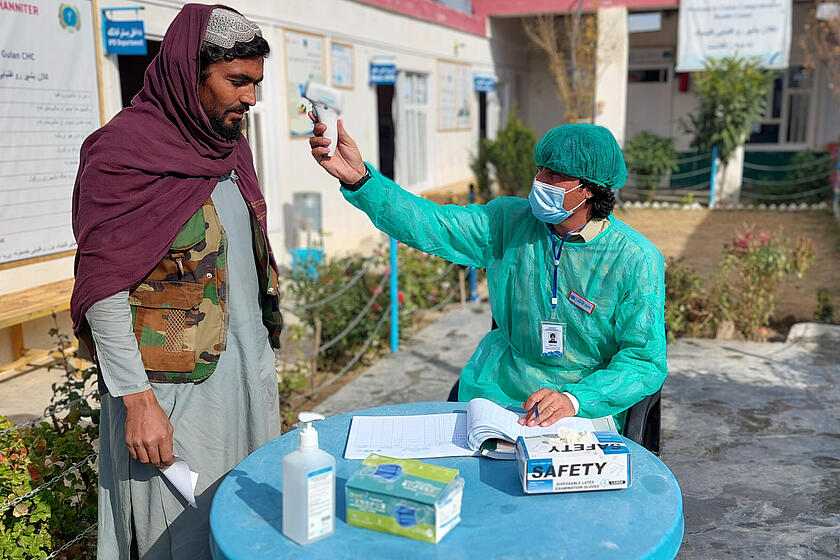
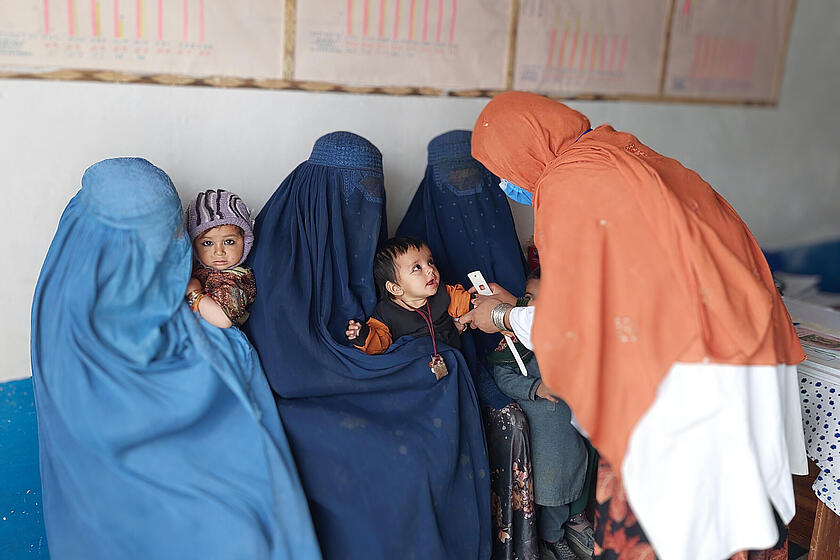
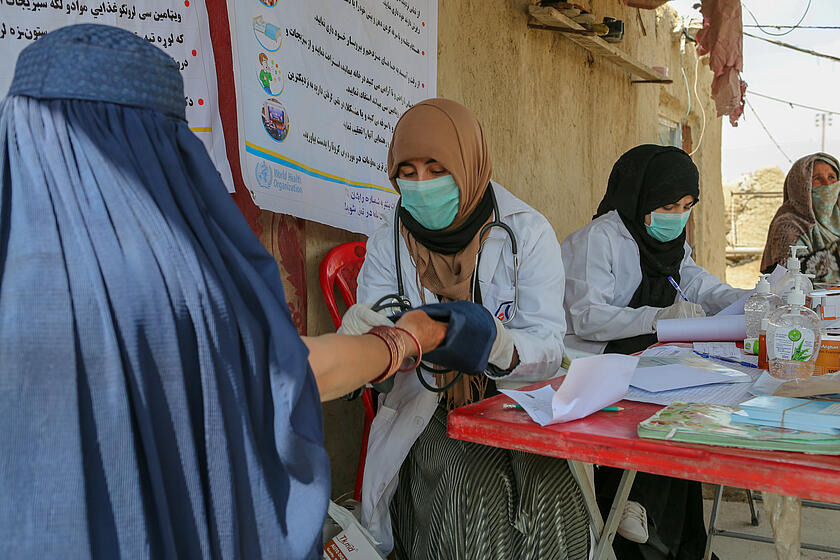
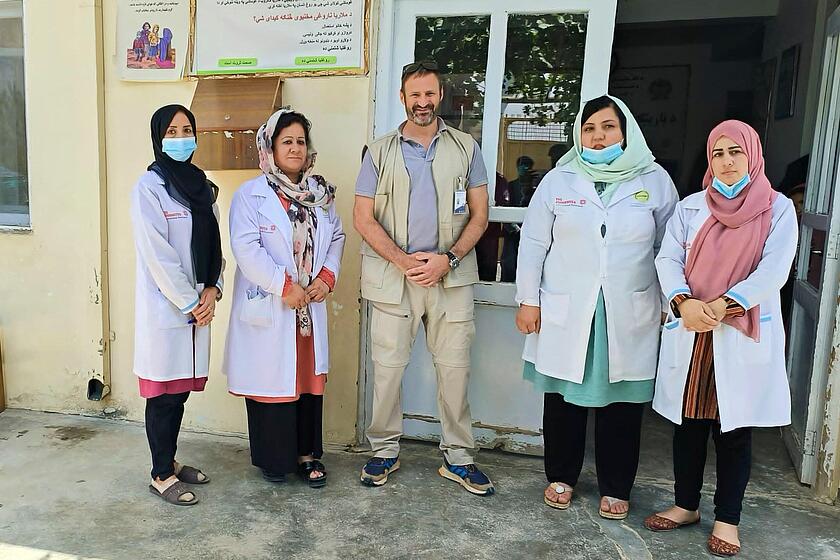
From the very beginning, our project activities in Afghanistan have focused on ensuring a functioning healthcare system for the population. We therefore provide medical examinations, treatment, medicines, support during childbirth and postnatal care for mothers and children, as well as essential vaccinations. Due to restrictions, access to healthcare services is particularly difficult for women and girls. We support them in two ways: as healthcare professionals working on our projects and as patients whom we reach through our services.
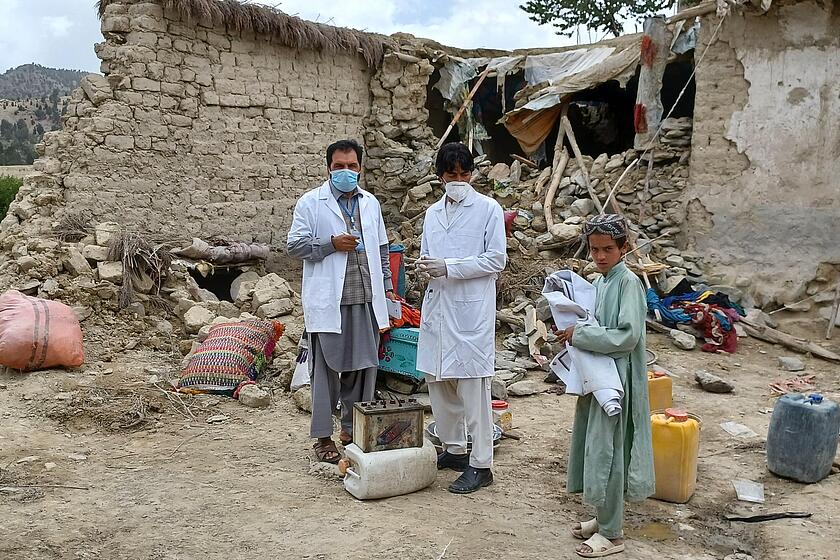
We have also ensured access to clean water and sanitation facilities for the population. On the border with Pakistan, we provided healthcare support to refugees and host communities, as well as psychosocial support. Vulnerable groups such as women, children and people with disabilities were the focus of our project activities. Following natural disasters such as the earthquake in 2025, we provided emergency aid by distributing urgently needed relief supplies.
We are currently planning new relief measures in the country.